Custom tabletop miniatures from a description
Game masters and hobbyists use threeD to make the character, monster or scatter terrain their table needs, at the right scale, and print it the same evening.
From character idea to printed mini
- 1
Describe the figure
Name the creature or character, its gear and a pose. Ask for a solid, chunky build and a flat base. - 2
Scale it
Set the height for your game’s scale, for example around 28–32 mm for a human-sized figure. - 3
Print
Export STL, add supports in your slicer and print in resin for detail or FDM for terrain.
Scale is a height, not a ratio
Miniature scales like “28 mm” usually describe the approximate height of a human-sized figure, not a strict mathematical ratio. Games and manufacturers interpret them differently, and “heroic” scales exaggerate heads, hands and weapons so they read well on the table. Print a test figure next to one from your existing collection before printing a whole squad.
Making generated figures printable
At 30 mm tall, details that look fine on screen become fragile or disappear. Plan for that in the prompt:
- Ask for thick limbs and weapons held close to the body. Thin swords and staffs snap.
- Avoid fine surface text and tiny chains; they will not resolve on most printers.
- Ask for a flat base, or cut the feet flat in your slicer and add a separate base.
Then run the model through remesh with a high triangle target to make it watertight. The 3D printing workflow covers wall thickness and scale in general.
Terrain and scatter
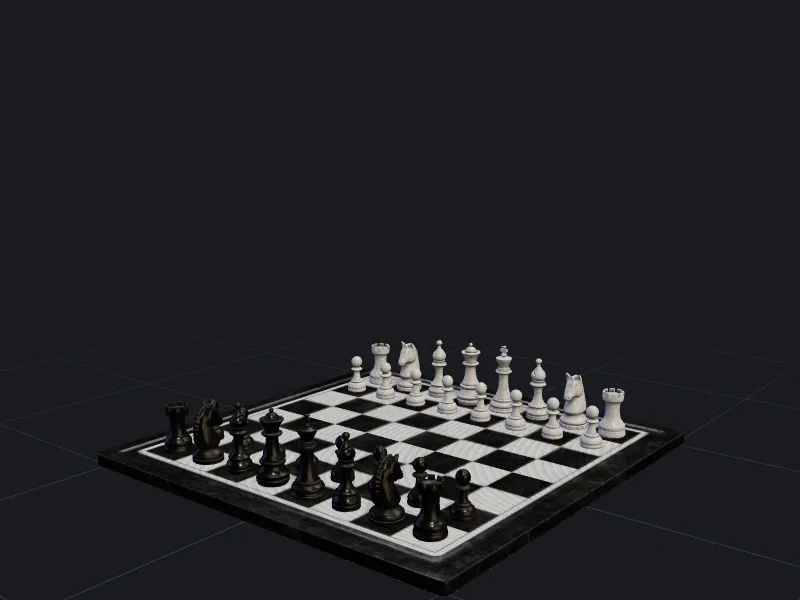
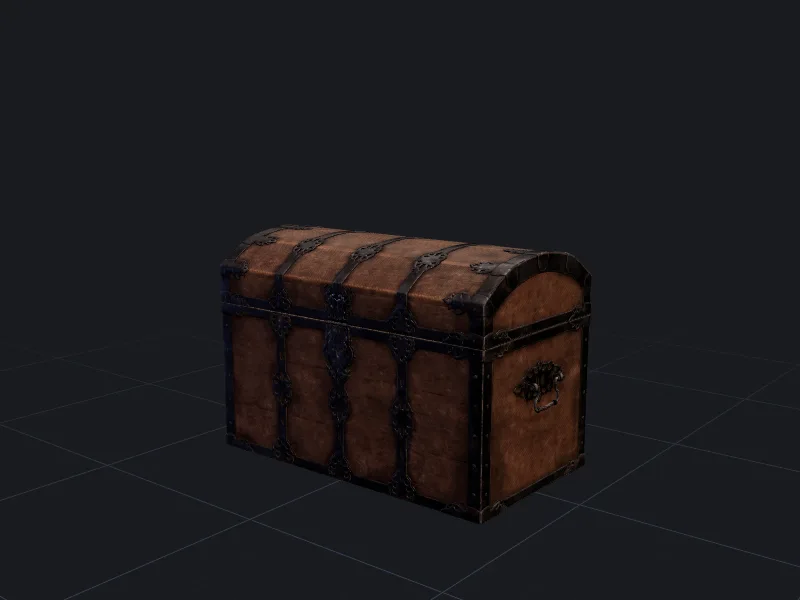
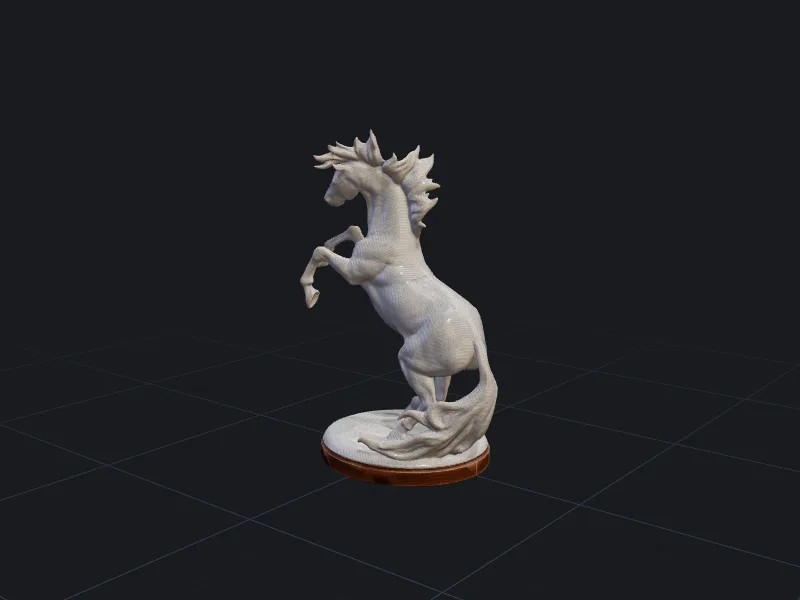
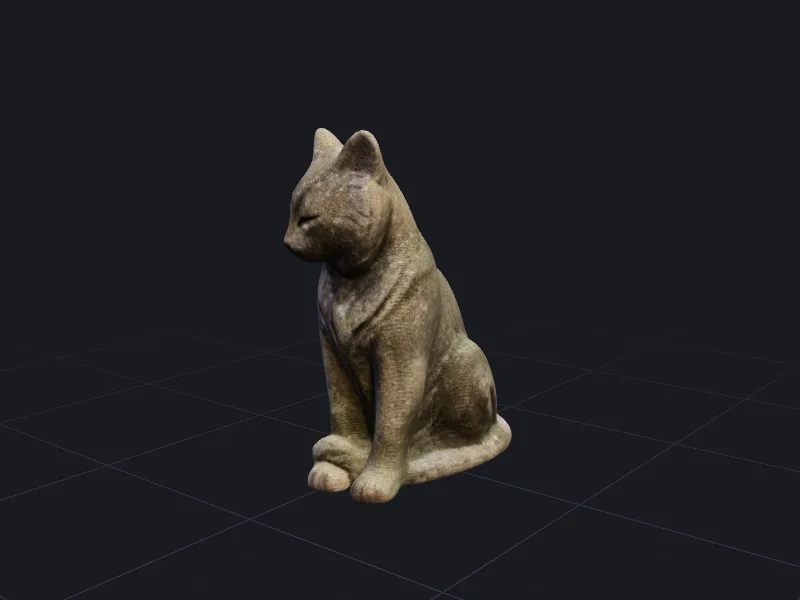
Crates, barrels, ruins, statues and trees are where generation shines: you need many varied pieces and nobody inspects each one closely. Generate a handful of variants of each, print them on an FDM printer at a coarser layer height, and paint them in a batch.
Questions people ask
Can I sell miniatures I generate?
Resin or FDM?
Other ways teams use threeD
Make your first model in the studio
Every plan includes all the tools, commercial rights and every export format. Cancel any time.